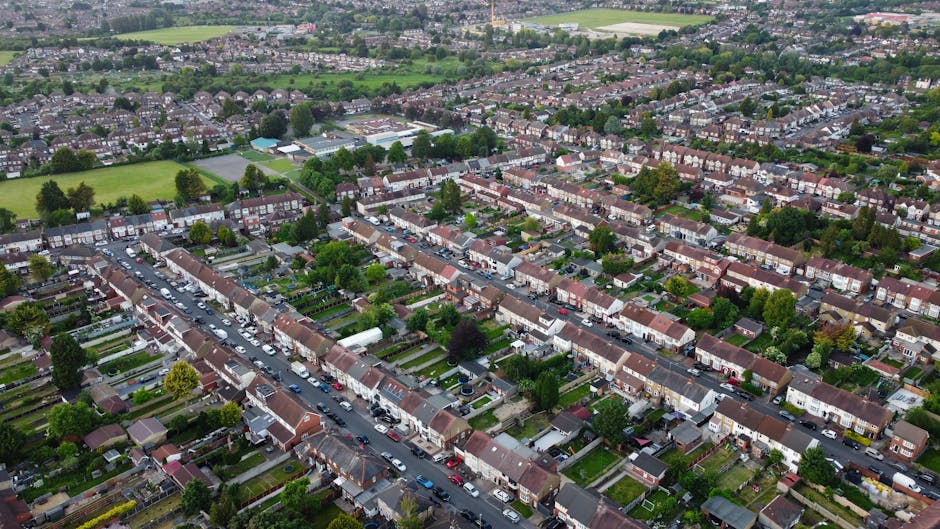
Garden clearance rules Barking and Dagenham Council fines guide
If you are trying to work out what counts as proper garden clearance in Barking and Dagenham, and what might trigger a council complaint or fine, you are not alone. A messy rear garden, overgrown hedge, fly-tipped waste, or a stack of cuttings at the wrong time can create more hassle than people expect. This Garden clearance rules Barking and Dagenham Council fines guide breaks everything down in plain English: what usually causes problems, how garden waste should be handled, what to check before you start, and how to avoid expensive mistakes.
Truth be told, most garden clearance issues are not about someone doing a full landscaping project. They happen because waste is left out too long, disposal is handled badly, or the work crosses into nuisance territory. That is exactly why it helps to understand the rules before you start digging, cutting, bagging, and loading. Let's make it simple.
Table of Contents
- Why the rules and fines matter
- How council enforcement usually works
- Key benefits of getting it right
- Who this guide is for
- Step-by-step guidance
- Expert tips for smoother clearance
- Common mistakes to avoid
- Tools, resources and recommendations
- Law, compliance and best practice
- Options and comparison
- Real-world example
- Practical checklist
- Conclusion
- Frequently asked questions
Why Garden clearance rules Barking and Dagenham Council fines guide Matters
Garden clearance sounds straightforward until it is not. A few branches, weeds, an old shed panel, bags of soil, or a pile of prunings can become a nuisance if they are left where they should not be. In Barking and Dagenham, as in other London boroughs, garden waste and clutter can raise concerns about waste management, neighbour complaints, pest attraction, blocked access, and visual blight.
The practical reason this matters is simple: a small oversight can snowball. For example, if green waste is put out incorrectly, bags split open in the rain, or rubble is mixed with garden cuttings, the cleanup becomes harder and the risk of enforcement goes up. And if you are clearing a garden after a long period of neglect, the job may involve more than just a bin bag and a rake. It can include waste sorting, safe handling, and proper disposal planning.
Many homeowners only think about the fine after something has already gone wrong. Better to plan early. A calm, tidy job usually costs less, causes less disruption, and saves the awkward conversation with neighbours. That is the real point of this guide.
Expert summary: Most garden clearance problems are preventable. The key is to separate waste correctly, avoid leaving materials in public view for too long, and use a disposal method that fits the type and volume of waste.
How Garden clearance rules Barking and Dagenham Council fines guide Works
There is no one single "garden clearance fine" that covers every case. In practice, council action tends to arise from the way waste is stored, presented, or dumped, and from whether it creates a wider nuisance or breach of local environmental rules. A tidy garden with bags ready for collection is very different from loose waste dumped on a pavement or left to rot in a shared access way.
Here is the general pattern people should expect:
- Waste is generated from mowing, hedge cutting, pruning, weeding, tree work, or a full clearance.
- The waste must be sorted into suitable materials and handled safely.
- Storage and presentation matter, especially if anything is left visible, accessible, or likely to spread.
- Collection or removal should happen promptly using an appropriate method.
- Enforcement may follow if the waste causes nuisance, appears to be fly-tipped, blocks public space, or is managed badly.
That is the broad shape of it. The exact response depends on the situation, and councils can treat a small domestic issue differently from repeated neglect or obvious dumping. If you are not sure whether your setup is acceptable, it usually pays to pause and check before more material is added to the pile. A five-minute rethink can save a lot of trouble later.
For larger jobs, many people decide to combine clearance with ongoing upkeep. That is often a sensible move, because once the big mess is gone, regular care makes it much easier to stay compliant. Services such as garden clearance, garden maintenance, and lawn mowing can help keep a property in a manageable state rather than letting the job build up again.
Key Benefits and Practical Advantages
Getting garden clearance right is not just about avoiding penalties. It makes the property easier to live in and easier to look after. That sounds obvious, but in real life it changes how a space feels the moment the overgrowth is gone.
- Lower risk of complaints: Neighbours are less likely to report overhanging growth, mess, or smells from rotting waste.
- Better safety: Clear paths reduce trip hazards, and removed branches reduce the chance of slips or cuts.
- Cleaner disposal: Waste is easier to separate when it is handled properly from the start.
- Improved appearance: A tidy outdoor space feels calmer and more usable, even if it still needs more work.
- Less stress: You are not wondering whether that heap of clippings is about to become a problem.
There is also a financial side. A straightforward clearance job is usually cheaper and easier than dealing with a neglected garden where waste has been left to accumulate. Once materials become wet, compacted, mixed, or contaminated, they take longer to clear. No surprise there, really.
If you are planning wider improvements after clearance, it can also make sense to review landscaping options or even more structured landscape gardening so the space stays manageable in the long run.
Who This Is For and When It Makes Sense
This guide is useful for anyone dealing with an untidy outdoor space in Barking and Dagenham, but some people need it more urgently than others. If you are looking at a garden that has been left alone through winter, or a tenancy ending, or a property that has had building or tree work, the rules around waste and clearance matter a lot more.
It is especially relevant for:
- Homeowners clearing a long-neglected garden
- Landlords preparing a property for new tenants
- Tenants trying to leave a garden in a fair condition
- Property managers dealing with shared outdoor areas
- Older residents who need practical help with heavy or awkward waste
- Anyone arranging a one-off clean-up after hedge cutting, storm damage, or seasonal growth
If your job includes tall overgrowth or awkward branches, it may also involve specialist help. Tree and large branch waste can be bulky and sometimes unsafe to move without the right approach. In those cases, a service like tree lopping and removal may be more suitable than trying to do it all yourself.
And if you are dealing with hard surfaces, sleeper edges, or an old outside structure at the same time, you may also want to think about broader improvements such as decking services. Not every clearance job stays a clearance job for long. One thing leads to another.
Step-by-Step Guidance
Here is a practical way to approach garden clearance without creating avoidable problems. It is not fancy, just sensible.
1. Walk the garden first
Look at what actually needs removing. Separate green waste, mixed rubbish, soil, timber, broken garden items, and anything sharp or heavy. You will notice quickly whether this is a light tidy-up or a full clearance. If the pile has been hiding under ivy for months, that is a different beast.
2. Decide what stays and what goes
Not everything in the garden is waste. Healthy plants, reusable pots, fencing panels, and materials that can be repurposed may be worth keeping. Be honest, though. If it is broken, rotten, or harbouring damp, it probably needs to go.
3. Sort waste properly
Keep green waste separate from general rubbish where possible. This makes disposal simpler and cleaner. Mixed waste is more awkward to manage and can increase cost and risk.
4. Check access and storage
Where will bags or piles sit while you work? If items are left near a public footpath, shared alley, or neighbour boundary, be extra careful. Do not create an obstruction, even for a short period if you can avoid it.
5. Remove waste promptly
The longer waste sits, the more likely it is to smell, spread, get damaged by weather, or attract attention. A same-day or next-day removal plan is far safer than leaving it "for later". Later has a habit of becoming next week.
6. Keep evidence of proper disposal
If you are using a professional clearance service, keep invoices and any written notes about what was taken away. That is useful for landlord records, tenancy disputes, or simply your own peace of mind.
For people who want a structured service rather than piecing things together themselves, the broader services overview can help show how clearance fits alongside routine care. If you want to understand costs before committing, a look at pricing and quotes is often a sensible next stop.
Expert Tips for Better Results
In our experience, the best clearance jobs are the boring ones. They are planned, tidy, and uneventful. That is a compliment, honestly.
- Work from the top down: Cut back high growth before dealing with ground-level clutter. It reduces rework.
- Use the right bags or containers: Thin bags split easily when filled with wet grass or thorny trimmings.
- Avoid overloading: Heavy bags are hard to move and can tear at the worst moment. Usually when you are already tired.
- Keep tools clean and sharp: Blunt shears make rough cuts and can damage plants you meant to keep.
- Plan for recycling where possible: Many green materials can be handled more sustainably if separated well.
A very small detail can make a big difference. For example, if you clear in the morning while the grass is still damp, your bags may weigh more and spill less cleanly. On a hot afternoon, dry cuttings can fly everywhere and make the whole space look messier than it really is. Timing matters more than people think.
Where sustainability is a priority, it can help to read about recycling and sustainability before arranging disposal. It is not about being perfect. It is about being sensible with what you can separate and reuse.
Common Mistakes to Avoid
A lot of fines and complaints come down to familiar errors. None of them are dramatic on their own. Put together, though, they create a mess.
- Leaving waste in public view for too long: Bags, branches, or rubble stacked outside can draw complaints quickly.
- Mixing waste types: Green waste mixed with general rubbish can complicate disposal and make the whole load harder to process.
- Ignoring sharp or hazardous items: Broken glass, nails, treated timber, or rusty tools should not be handled casually.
- Overfilling containers: Heavy, unstable bags are a nuisance and a manual handling risk.
- Assuming "it is just garden waste": Councils and neighbours do not care much for that phrase. It is still waste.
- Forgetting access routes: A clear front path is one thing; blocking a shared passage is another.
One of the most common mistakes is to start with enthusiasm and no plan. Bags appear, branches pile up, and by mid-afternoon there is nowhere to stand. Not ideal. If that sounds familiar, you are in good company.
Tools, Resources and Recommendations
Good garden clearance is easier with the right kit. You do not need everything in the shed, but a few basics make the job far safer and faster.
| Item | Why it helps | Best used for |
|---|---|---|
| Heavy-duty gloves | Protects hands from thorns, splinters, and rough edges | Pruning, bagging, and lifting |
| Bypass secateurs or loppers | Makes clean cuts on stems and small branches | Hedges, shrubs, and light woody growth |
| Tarpaulin | Keeps waste together and protects paths | Collecting clippings and moving debris |
| Rake and stiff broom | Speeds up the final tidy | Leaves, grass, and loose material |
| Wheelbarrow or garden cart | Reduces heavy lifting | Moving soil, branches, and mixed waste |
| Skip or collection arrangement | Gives waste a proper end point | Larger clearances and bulky jobs |
If you are dealing with regular overgrowth rather than a one-off mess, routine support is often the better route. A reliable garden maintenance plan can stop the job becoming a full clearance every season. That is the quiet win, the one people tend to appreciate most after the first big tidy-up.
For gardens where the lawn is now half-hidden under weeds and debris, lawn mowing can be part of the recovery process once bulky waste is gone. It sounds basic, but a neat cut changes the whole mood of a garden fast.
Law, Compliance, Standards, or Best Practice
When people ask about council fines, they often want a single fixed rule. The reality is a bit messier. Garden clearance touches several areas of local environmental management: waste handling, nuisance, fly-tipping, obstruction, and property upkeep. The exact outcome depends on what happened, where it happened, and whether the issue was accidental, repeated, or clearly careless.
The safest approach is to treat garden waste like any other regulated waste stream: sort it, store it carefully, and remove it through a proper route. That is especially true if your work includes:
- Large volumes of green waste
- Mixed waste with broken household items
- Branches or timber that could cause injury
- Soil, rubble, or hard landscaping spoil
- Waste left near roads, pavements, or shared spaces
Best practice also means making sure anyone doing the work understands safe lifting, cutting, and loading. The work may seem simple, but a snapped branch or a sharp hidden edge can cause a proper accident. If health and safety matters to you-and it should-then it is worth looking at health and safety policy guidance and insurance and safety information before taking on a larger job.
For businesses, landlords, and property managers, written terms and clear payment expectations can also reduce disputes. If you are arranging recurring work, it helps to understand the provider's terms and conditions so there are no surprises later.
Options, Methods, or Comparison Table
There are a few common ways to handle clearance. The right one depends on time, volume, mess, and how much lifting you want to do yourself. Let's compare them plainly.
| Method | Best for | Pros | Watch out for |
|---|---|---|---|
| DIY clearance | Small, light tidy-ups | Low upfront cost, full control | Time, physical effort, disposal uncertainty |
| Partial DIY + professional removal | Medium jobs with mixed waste | Balances cost and convenience | Needs good sorting and planning |
| Full professional clearance | Neglected, bulky, or urgent jobs | Fast, safer, more systematic | Usually the higher cost option |
| Ongoing maintenance | Preventing future build-up | Keeps the garden manageable | Requires consistency |
In practice, many people start with a one-off clearance and then move to maintenance. That tends to work well. First you remove the mess, then you keep it from coming back. Simple, but effective.
Case Study or Real-World Example
A typical Barking and Dagenham scenario goes something like this. A family returns from a long holiday and finds the back garden has become a tangle of waist-high grass, hedge clippings, a broken planter, and several bags of old compost. The first instinct is to start filling more bags and pushing everything into one corner. That feels productive for about ten minutes.
Then the problems start. The bags are too heavy. Some wet cuttings have been mixed with broken plastic. The path to the rear gate narrows. A neighbour notices the mess sitting out overnight and asks whether it is being dumped. Nobody means any harm, but the setup is already looking untidy and risky.
The better approach would have been to split the job: cut back the growth, separate green waste from broken items, clear the access route first, and remove the waste in stages. If a lot of the work is beyond a quick tidy, bringing in help early would avoid the pile-up. That kind of decision usually saves time, stress, and a fairly annoying weekend.
We have seen similar jobs become much easier once people combine clearance with a follow-up plan. After the first deep clean, ongoing lawn care, trimming, and waste control keep the garden in a state that does not invite complaints. It is not glamorous, but it works.
Practical Checklist
Use this before you start or before you book anyone in.
- Have I checked what needs to be kept, repaired, or removed?
- Is the waste split into green waste, general rubbish, and bulky items?
- Do I know where the waste will be stored temporarily?
- Will the work block a path, alley, or neighbour access point?
- Do I have gloves, cutting tools, and sturdy bags or a tarpaulin?
- Is there a clear disposal or collection plan?
- Am I dealing with branches, stumps, or heavy items that need specialist handling?
- Could the job benefit from ongoing maintenance afterwards?
- Have I taken note of any terms, insurance, or safety points if hiring help?
- Would a professional clearance save me time, effort, or risk?
If you can tick most of those off, you are in good shape. If not, pause and sort the plan first. The garden will still be there tomorrow.
Get a free quote today and see how much you can save.
Conclusion
Garden clearance in Barking and Dagenham is not just a tidy-up job. Done badly, it can lead to complaints, obstruction, unsafe conditions, and avoidable enforcement trouble. Done well, it makes the property cleaner, safer, and much easier to manage. The difference is usually planning, sorting, and prompt removal.
If you remember only one thing from this Garden clearance rules Barking and Dagenham Council fines guide, make it this: keep waste controlled, keep access clear, and do not leave a growing problem for later. That one habit alone prevents a surprising amount of stress. And honestly, a clear garden just feels better on a damp London morning when the light catches the leaves and everything finally looks under control again.
Frequently Asked Questions
Can I leave garden waste on the pavement while waiting for collection?
Usually, you should avoid leaving waste where it can obstruct pedestrians or look like fly-tipping. Keep any temporary storage as controlled and brief as possible.
What garden waste is most likely to cause a problem?
Mixed waste, bulky branches, broken garden items, and piles left near shared access areas are the most common troublemakers. Green waste alone is usually easier to manage.
Do I need a professional for a small garden clearance?
Not always. A small tidy-up can often be done yourself if the waste is light, sorted, and easy to remove. Bigger or messier jobs are another story.
What happens if I mix soil, branches, and household rubbish together?
Mixed loads are harder to dispose of and can increase the chance of a messy, non-compliant setup. Separating waste first is nearly always the better move.
Can overgrown hedges or trees lead to fines?
They can lead to complaints if they cause nuisance, block access, or become unsafe. If the growth is substantial, specialist trimming or removal may be needed.
Is garden clearance the same as regular maintenance?
No. Clearance is usually a bigger, one-off job to remove built-up waste and overgrowth. Maintenance is the ongoing care that stops the problem returning.
How do I know if my garden waste needs specialist removal?
If you have large branches, stumps, heavy timber, or lots of mixed debris, specialist help is often the safer and easier option. A quick visual check usually tells you enough.
Will a council always issue a fine for garden mess?
Not necessarily. The response depends on the nature of the issue, how serious it is, and whether it is causing nuisance or appears to be dumped waste.
What is the safest way to clear a badly overgrown garden?
Start by checking access, wear proper gloves, cut from the top down, and separate waste as you go. If it looks risky, bring in help rather than pushing through.
How can I keep a garden from becoming a clearance job again?
Regular mowing, hedge trimming, and seasonal tidying make a huge difference. A little maintenance now and then is far easier than a big rescue later.
What should I ask before hiring a garden clearance service?
Ask what waste they remove, how they handle disposal, whether they are insured, and what is included in the price. Clear answers are a good sign.
Where can I find more information about the company and its policies?
You can review the company's about us page, read the complaints procedure, and check the privacy policy if you want extra reassurance before booking.