Best gardeners near Barking Park for small front gardens
If you live near Barking Park and your front garden is more "neat patch by the pavement" than sprawling lawn, finding the right gardener can make a huge difference. Small front gardens need a different touch: tidy lines, careful plant choices, quick turnaround, and enough finesse to make the space feel brighter without overcomplicating it. The best gardeners near Barking Park for small front gardens understand that a compact space can still look polished, welcoming, and easy to maintain.
Truth be told, small gardens are often harder to get right than bigger ones. There's less room for error. One awkward shrub, one messy edge, one neglected corner-and the whole front of the property can feel untidy. This guide explains how to choose a local gardener, what services matter most, what to ask before booking, and how to get real value from a small-garden visit. You'll also find practical advice on quotes, safety, sustainability, and the little details that separate a decent job from a genuinely good one.
For a broader look at what's available, you can also review the full range of garden services and check the pricing and quotes guidance before you decide. It helps. A lot.
Table of Contents
- Why Best gardeners near Barking Park for small front gardens Matters
- How Best gardeners near Barking Park for small front gardens Works
- Key Benefits and Practical Advantages
- Who This Is For and When It Makes Sense
- Step-by-Step Guidance
- Expert Tips for Better Results
- Common Mistakes to Avoid
- Tools, Resources and Recommendations
- Law, Compliance, Standards, or Best Practice
- Options, Methods, or Comparison Table
- Case Study or Real-World Example
- Practical Checklist
- Conclusion
- Frequently Asked Questions
Why Best gardeners near Barking Park for small front gardens Matters
Small front gardens do more than decorate a property. They shape first impressions, affect how tidy your home feels from the street, and can even change how much you enjoy opening the curtains in the morning. Near Barking Park, where many homes have compact front plots, paths, boundary edges, and limited planting space, a skilled gardener can turn a cramped little area into something calm and well put together.
What makes local expertise matter? Simple. A gardener who regularly works in the Barking area is more likely to understand the practical realities of small urban gardens: narrow access, mixed soil quality, heavy foot traffic, exposed pavements, and the need for low-maintenance planting. They will usually know how to keep things tidy without making the space look stripped bare.
There is also a difference between a general garden tidy-up and a front-garden specialist approach. A general service may focus on lawns and bigger borders. A front garden, by contrast, often needs edging, pruning, small-scale planting, weed control, leaf clearance, and a precise eye for shape. It's the kind of job where a few millimetres can matter more than you'd think.
And let's face it, front gardens are public-facing. If your space is small, every blade of grass and every untidy hedge line stands out. That's why choosing the right gardener is not just about convenience; it is about getting proportion, judgement, and consistency. If you want confidence around upkeep, safety, and service standards, it can also help to review the company's insurance and safety information and health and safety policy.
How Best gardeners near Barking Park for small front gardens Works
For small front gardens, the process usually starts with a quick assessment. A good gardener will look at size, access, existing planting, sun exposure, soil condition, and how much maintenance you want. That first look matters because a small area can't hide poor planning. If there is a slightly awkward slope, a thin strip of border, or a tricky tree root, the work plan should reflect that straight away.
From there, the gardener will typically recommend one of three approaches:
- Maintenance-focused care for keeping the front garden neat and manageable.
- Light redesign for improving layout, edging, and planting structure.
- One-off restoration if the space has become overgrown, patchy, or neglected.
In practical terms, this could mean a short visit every few weeks for mowing, trimming, edging, and litter removal. Or it might mean a one-off session to reset the whole front garden: cutting back shrubs, removing weeds, cleaning borders, and defining a proper finish. Small spaces often respond best to simple, repeatable maintenance rather than grand designs. Too many features just make it feel busy.
It is worth asking whether the gardener brings their own tools, disposes of waste responsibly, and can explain what they'll do before they start. That sounds basic, but it saves confusion later. If you want to understand how a professional service is usually structured, the services overview is a useful place to begin.
One small but useful reality: front gardens near main roads can collect dust, grit, and the odd bit of litter fast. A gardener who understands that rhythm will usually build in finishing touches, not just the obvious cut-and-clear work. That's the difference between "done" and "done properly".
Key Benefits and Practical Advantages
Hiring the right gardener for a small front garden is not just about appearance. It can make day-to-day life easier in quite a few ways.
- Better kerb appeal - A tidy front garden makes the whole home look cared for.
- Less maintenance stress - A well-managed small space is quicker to keep under control.
- Safer pathways - Clear edges, trimmed growth, and reduced trip hazards matter, especially near walkways.
- Smarter plant choices - Compact planting can provide colour without crowding the space.
- Better seasonal resilience - A good setup handles wet weather, shade, and summer growth more predictably.
There is another benefit people sometimes overlook: confidence. If the front garden looks stable and cared for, you stop worrying about it every time guests come over or you leave for work. It quietly gets off your mind. That alone is worth something.
For many homeowners, the biggest practical win is time. Small front gardens can be deceptively fiddly. A quick mow, a bit of edging, and a couple of weeds can turn into half a Saturday if you are not set up for it. A gardener with the right tools and a clear process can handle that in far less time, with a cleaner finish.
There is also a sustainability angle. If the work includes sensible waste handling and low-impact maintenance, that helps too. You can read more about how that is handled on the recycling and sustainability page, which is especially relevant if you care about green waste disposal and sensible reuse.
Who This Is For and When It Makes Sense
This service is ideal for homeowners and tenants with small front gardens who want a neat, manageable result without constant DIY effort. It is also useful for landlords, letting agents, and property managers who need a reliable front-of-house presentation.
You may need this if:
- your front garden is small but hard to keep tidy;
- the space is visible from the street and you want it looking sharp;
- the garden has become overgrown after a busy season or a period away;
- you need regular maintenance rather than a full redesign;
- you want a low-maintenance layout with better structure;
- you have mobility, time, or access limitations that make DIY work awkward.
It also makes sense if you have noticed that your front garden looks fine from one angle and messy from another. That is common in small spaces. The sightline from the path, road, or gate can be unforgiving. A good gardener will notice those details and shape the space accordingly.
To be fair, not every front garden needs a full makeover. Sometimes it only needs regular attention, a better edging line, and a couple of plants that actually suit the spot. Small fixes can have a big visual effect. A lot bigger than people expect.
Step-by-Step Guidance
If you want the best outcome from a gardener near Barking Park, a simple process works best. Here's a practical way to approach it.
- Define the outcome you want. Do you want a one-off tidy, routine maintenance, or a cleaner, more attractive layout?
- Measure the space roughly. You do not need engineering-level precision. Just enough to describe the size and access points.
- List the problem areas. For example: weeds by the wall, overgrown hedge, patchy border, moss, or awkward corners.
- Check service scope. Make sure the gardener can do the specific jobs you need, not just general mowing.
- Ask about waste removal. Small front gardens still create clippings, branches, and bagged waste.
- Request a clear quote. Use a source like the pricing and quotes page to understand how estimates are usually handled.
- Confirm access and timing. Parking, gate width, neighbour access, and noise-sensitive hours can all matter.
- Review the finish after the first visit. A good gardener should leave you with a result that makes sense for the space, not just a rushed cut.
If you are planning a recurring service, ask how often they recommend visits for your specific front garden. Some spaces need monthly attention. Others, especially near busy roads or with fast-growing shrubs, may need a quicker cadence in spring and early summer.
Small gardens reward planning. If the layout is tight, the wrong job sequence can make the work harder than it needs to be. For example, pruning before clearing debris often saves time; clearing first can mean you're handling the same mess twice. Small thing, but it matters.
Expert Tips for Better Results
Good front-garden results usually come from simple choices made well. Not dramatic ones. Here are the habits that make the biggest difference.
- Keep planting compact. Choose shrubs and flowers that stay in proportion to the space.
- Prioritise clean edges. Crisp edging can make a tiny garden look instantly more deliberate.
- Use repetition. A couple of repeating plant types often looks tidier than a mix of everything.
- Choose low-maintenance materials. Mulch, gravel, or simple border finishes can reduce weeding.
- Think in layers. A low front, medium middle, and occasional taller feature usually reads better than random height.
- Plan for weather. Wet London winters and dry summer spells both affect small plots quickly.
A good local gardener will usually understand how to keep a front garden attractive without overloading it with maintenance-heavy planting. That is especially important in a small space, where one fast-growing shrub can start bossing everybody about by mid-summer. Plants have a way of doing that.
Another useful tip is to ask for small, staged improvements rather than trying to solve everything in one go. Maybe the first visit is a full tidy and border reset. The next visit focuses on shape and upkeep. That way the garden improves steadily, and you can judge what works before adding more complexity.
If you care about trust and professionalism, you may also want to review the provider's commitment to safe working practices and secure payments. The payment and security page and the insurance and safety information both help set expectations clearly.
Common Mistakes to Avoid
Small front gardens are easy to underestimate. That is where mistakes creep in.
- Choosing based on price alone. A cheaper quote may not include edging, debris removal, or the finish you expect.
- Overplanting. Too many plants can make a tiny space feel cluttered and harder to manage.
- Ignoring access issues. Narrow gates, awkward steps, or shared paths can change the whole job.
- Skipping waste disposal questions. A tidy cut is not really tidy if the clippings are left behind.
- Forgetting maintenance frequency. A one-off visit can look great, but the same space may need regular touch-ups to stay that way.
- Not asking about safety. Tools, tripping hazards, and public-facing work all deserve care.
One common issue is expecting a small garden to behave like a low-effort space just because it is small. In reality, compact plots can need more precision, not less. The margins are tighter. The whole thing shows.
Another mistake is poor communication. If you want the hedge reduced but not removed, say so. If you want borders left natural, say that too. A two-minute conversation can prevent a half-day of annoying adjustments later. Nobody enjoys that.
Tools, Resources and Recommendations
For small front gardens, the right tools are usually more helpful than a huge range of them. Professionals often rely on compact, precise equipment rather than bulky machines that are difficult to manoeuvre in tight spaces.
| Task | Useful approach | Why it suits a small front garden |
|---|---|---|
| Edging | Hand tools or compact trimmers | Gives a crisp finish without damaging borders or paving |
| Weed control | Manual removal plus routine maintenance | Safer and more precise in tight planting beds |
| Pruning | Selective cutting and shaping | Prevents the garden from becoming crowded |
| Waste handling | Bagging, removal, or recycling routes | Keeps the property clean and avoids lingering debris |
| Ongoing care | Scheduled visits | Stops small issues from becoming obvious street-facing problems |
If you are selecting a provider, look for clear service descriptions, transparent quotes, and practical support pages. The accessibility statement can also be useful if you need to understand how straightforward it is to use the site or contact the business. That may sound minor, but it often reflects the quality of the whole customer experience.
For anyone comparing service levels, it may help to see whether the gardener offers a wider package or just one-off visits. A broader service can be useful if your front garden needs mowing, trimming, and occasional tidy-ups across the year. If you're still unsure, start with the basics and build from there. Simple is often best.
Law, Compliance, Standards, or Best Practice
For domestic gardening work, the main concerns are usually safety, public liability, responsible waste handling, and clear customer communication. While front-garden maintenance is not usually a heavily regulated activity, professional providers should still work to sensible best practice.
That means:
- using tools safely and keeping walkways clear;
- taking care around public paths, neighbours, and parked vehicles;
- explaining what is included before work starts;
- handling waste responsibly;
- being clear about payment terms and service expectations.
If a gardener is working near the front of a property, health and safety should not be an afterthought. A tidy site is still a working site. Even a small hedge trim can involve clippings, sharp tools, and trip hazards. That is why it makes sense to review the provider's health and safety policy and insurance and safety information before booking.
Best practice also includes fair treatment, clear communication, and ethical business standards. If those things matter to you, it is reassuring to see policies such as the modern slavery statement and the recycling and sustainability page. These are not just formalities; they help show how the business thinks about responsibility.
And if something ever goes wrong, a clear route for feedback matters. A well-run business should have a fair process, which is why the complaints procedure is worth checking. Hopefully you never need it. Still, it is good to know it exists.
Options, Methods, or Comparison Table
Different small-front-garden needs call for different approaches. Here is a simple comparison to help you match the service to the situation.
| Option | Best for | Pros | Watch-outs |
|---|---|---|---|
| One-off tidy | Overgrown or neglected front gardens | Fast reset, immediate improvement | Needs follow-up to stay neat |
| Regular maintenance | Busy households or rental properties | Consistent appearance, less effort for you | Requires scheduling and ongoing budget |
| Light redesign | Spaces that feel cluttered or underused | Improves layout and long-term usability | May need extra planning and a larger budget |
| Seasonal refresh | Gardens that look tired at key times of year | Great for spring, summer, and autumn clean-ups | Not enough on its own if growth is fast |
For many Barking Park homes, a regular maintenance plan is the sweet spot. It keeps the front garden tidy without needing major intervention each time. But if the space has become a bit unruly, a first-time restorative visit can create a better starting point. Then maintenance becomes much easier. Much easier.
Case Study or Real-World Example
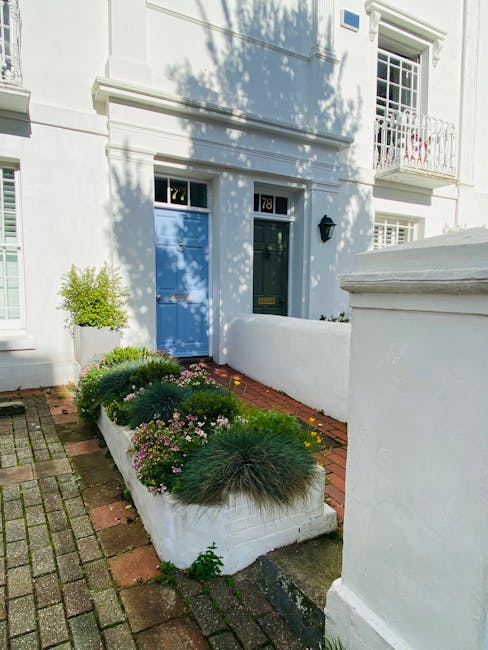
Imagine a small terraced house near Barking Park with a narrow front garden, a short path, two tired shrubs, and weeds pushing through the border. Nothing dramatic. Just enough to make the space feel a bit forgotten. The owners want it to look neat from the street but do not want a high-maintenance setup.
A practical gardener might approach it like this:
- clear weeds and loose debris first;
- reshape the border edges so the space looks defined;
- reduce the shrubs rather than remove them completely;
- leave one or two simple planting features instead of crowding the area;
- suggest a light maintenance schedule through the growing season.
The result is not a show garden. It is better than that in a real-life sense. It is manageable. It looks intentional. The house feels more cared for every time someone walks up to the door, and the owners are not stuck doing a big tidy every few weeks. That is usually the goal with small front gardens: not perfection, just easy, attractive order.
That kind of job also shows why local context matters. A gardener who works regularly in the area will know how quickly certain plants recover after cutting, how exposed some streets can feel in windy weather, and how to keep a compact plot looking balanced rather than overworked. Little things, but they add up.
Practical Checklist
Use this checklist before booking any gardener for a small front garden near Barking Park.
- Have you clearly described the size and layout of the front garden?
- Do you know whether you need a one-off tidy or regular maintenance?
- Have you listed the main tasks: mowing, edging, pruning, weeding, waste removal?
- Did you ask how the quote is calculated?
- Have you checked whether materials and waste removal are included?
- Do you know what access is like for the gardener?
- Have you reviewed insurance, safety, and payment information?
- Are there any boundary, neighbour, or parking issues to mention in advance?
- Do you want a low-maintenance planting plan, not just a tidy-up?
- Have you asked what happens if weather delays the visit?
Quick expert summary: the best result usually comes from a gardener who understands small-space proportion, can work neatly around access constraints, and communicates clearly about scope and cost. If you have those three things, you are already most of the way there.
Conclusion
Choosing the best gardeners near Barking Park for small front gardens is really about fit. You want someone who sees the space for what it is: compact, visible, and worth getting right without fuss. The best fit will combine tidy workmanship, sensible advice, fair pricing, and the kind of local understanding that makes a small garden look quietly sorted rather than overdone.
Start with your goal. A one-off tidy? Regular upkeep? A cleaner layout that stays manageable? Once you know that, it becomes much easier to choose a gardener who can deliver the right level of care. And if you take one thing away from this article, let it be this: a small front garden can look excellent without needing complicated work. Often, the best results are the simplest ones done properly.
Get a free quote today and see how much you can save.
If you are ready to move forward, check the service details, compare the quote options, and make sure you are comfortable with the practicalities before booking. A little care at the start saves a lot of faff later, and honestly, that is the sort of gardening decision people rarely regret.
Frequently Asked Questions
What should I look for in a gardener for a small front garden near Barking Park?
Look for someone who understands small-space maintenance, gives clear quotes, and can handle edging, pruning, weeding, and waste removal without overcomplicating the job. Local experience helps because front gardens near busy roads often need more precise finishing.
Is a one-off tidy enough for a small front garden?
Sometimes, yes. If the garden only needs a reset, a one-off tidy can work well. But if growth is fast or the space is public-facing, regular maintenance often keeps the result looking good for longer.
How often should a small front garden be maintained?
It depends on planting, weather, and how visible the space is. Many small front gardens benefit from monthly or seasonal care, while fast-growing or high-visibility spaces may need more frequent visits during spring and summer.
Do gardeners near Barking Park usually remove green waste?
Many do, but it should always be confirmed in advance. Ask whether clippings, branches, and bagged waste are included in the quote or handled as an extra service.
What makes small front gardens different from larger gardens?
Small front gardens need more precision. Every edge, plant, and path line is visible, so poor shaping stands out quickly. The work often focuses on proportion, cleanliness, and low-maintenance structure rather than big planting schemes.
Can a gardener help make my front garden lower maintenance?
Yes. A good gardener can suggest compact planting, simpler borders, better edging, and maintenance-friendly materials. That can reduce weekly effort and make the space easier to keep tidy.
How do I know if a quote is fair?
Ask what is included: labour, waste removal, materials, access challenges, and follow-up visits. A fair quote should be clear enough that you understand what you are paying for, not just a single number with no context.
Do I need to be home when the gardener visits?
Not always, but it can help for the first appointment or if access is tricky. Many people prefer to be there initially so they can explain the garden's problem spots and agree the exact scope of work.
What if my front garden has awkward access?
Mention that early. Narrow gates, shared access, steps, or limited parking can all affect how the job is planned. A good gardener will factor that into timing and equipment choice.
Is safety important for small front garden work?
Absolutely. Even small jobs involve sharp tools, trip hazards, and work near paths or the street. It is sensible to check the provider's safety and insurance information before booking.
Can a gardener help if my front garden is overgrown?
Yes, most can. An overgrown small front garden is usually best handled with a restorative tidy first, followed by a simple maintenance plan so it doesn't slip back again.
Are sustainable gardening practices worth asking about?
They are. If you care about waste handling, recycling, and lower-impact maintenance, it is sensible to ask. Even in a small front garden, the way clippings and debris are managed can make a meaningful difference.